Key Takeaways:
- A good sofa buying guide starts with your room layout, not just the design you like.
- Measuring the available space helps prevent overcrowding, blocked walkways, and poor furniture proportion.
- Comfort should be assessed based on real household habits, including lounging, hosting, watching television, and family routines.
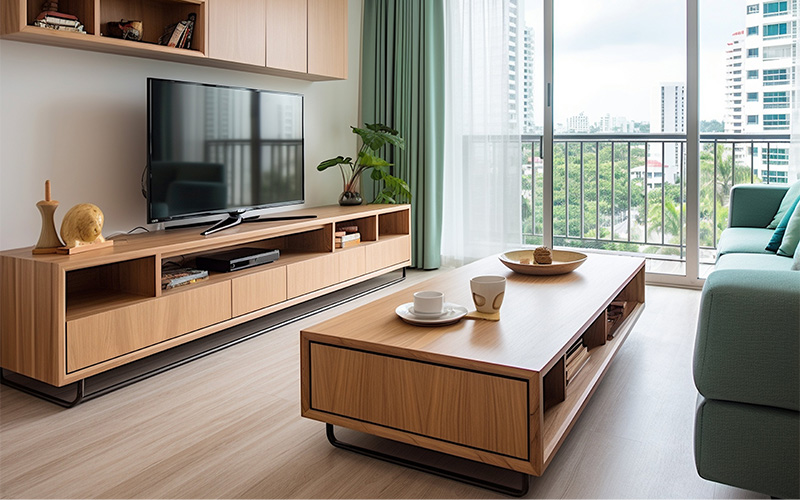
- Storage, TV consoles, coffee tables, and seating should work together to create a practical living room.
- La Riqueza Global offers curated sofa designs and custom sourcing support for homeowners and renters who need pieces that better suit their space.
Introduction
Choosing a sofa often feels more complicated than expected, especially when space is limited, and living rooms need to support daily living. Many homeowners and renters end up with sofas that are either too large, poorly positioned, or not suited to how the space is actually used. This can lead to restricted movement, visual clutter, or discomfort over time.
This sofa buying guide helps you make a more structured decision by looking at layout, proportion, comfort, storage, placement, design alignment, and long-term value. In Singapore, where living rooms often serve multiple purposes, the right sofa should offer comfort without taking up too much space. La Riqueza Global offers a curated selection of living room furniture, including sofas designed for comfort, modern aesthetics, and everyday practicality.
How Should The Sofa Fit Within Your Living Room Layout?
The Sofa Should Support The Main Activity Zone
Before choosing a design, assess how your living room is used each day. Some households use the space mainly for television viewing, while others use it for family time, hosting, reading, working, or quiet relaxation. The sofa should support these habits instead of forcing the room to work around it.
In many Singapore homes, sofas are placed opposite TV consoles to form the central seating and viewing area. A well-planned living room setup should allow comfortable viewing distance, clear walkways, and enough room for other furniture. For example, a larger piece, such as the Evergreen Lounge Sofa, may suit a wider living room, where its plush, sculptural profile can serve as the main anchor. In a tighter layout, a more compact option may provide better balance.
Clear Walkways Keep The Room Easy To Use
A sofa that blocks the entrance, balcony access, storage cabinet, or walkway can make the living room feel cramped, even if the sofa itself is attractive. This is why placement should be considered before purchase.
Leave enough space for people to move around the seating area naturally. This matters in HDB flats, condominiums, and rental apartments, where the living room may connect directly to the dining area, balcony, or hallway.
What Sofa Size Works Best For Your Available Space?
Measurements Should Come Before Style Decisions
Sofa size plays a major role in whether the room feels balanced. A sofa that is too large can overwhelm the space, while one that is too small may not provide enough seating or visual presence. Before choosing, measure the wall length, floor area, doorway width, lift access, and corridor clearance.
This step is especially important before purchasing larger pieces, as a sofa that fits the living room may still be difficult to move through lifts, corridors, or doorways. Checking access routes early can help avoid delivery issues later, particularly in HDB blocks, condominiums, and apartments with tighter entry points.
A Sofa Set Should Not Overcrowd The Room
A sofa set can work well in larger homes, open-plan layouts, or living rooms designed for frequent hosting. However, in smaller homes, adding multiple matching seating pieces may reduce flexibility. If the room also needs storage cabinets, a TV console, or a coffee table, a single sofa with one accent chair may feel more practical than a full set.
This sofa buying guide is not about choosing the biggest option available. It is about choosing a piece that leaves the living room comfortable, usable, and visually balanced.
How Can Storage And Organisation Influence Your Sofa Choice?
Seating Should Work With Nearby Storage
In smaller homes, furniture often needs to work alongside storage solutions. Sofas should be selected by considering nearby TV consoles, sideboards, shelves, and storage cabinets. This helps maintain a balanced layout where seating and storage complement each other rather than compete for space.
For example, a lower-profile modular sofa may pair well with clean-lined storage furniture, helping keep the room’s visual weight under control. The Cloud Modular Sectional Sofa is a useful example of a more adaptable style, as modular designs allow homeowners to adjust the arrangement based on room size and lifestyle needs.
A Balanced Layout Reduces Visual Clutter
A living room can feel crowded when every furniture piece is visually heavy. If the sofa, TV console, coffee table, and cabinets all have large forms, the space may look full even when it is tidy.
Choosing softer lines, raised legs, lighter colours, or simpler silhouettes can make the room feel more open. Storage should support the sofa area by keeping everyday items organised, while the sofa remains the comfortable centre of the room.
What Makes A Sofa Comfortable For Daily Living?
Comfort Should Match Real Household Habits
Seating comfort is not only about softness. It also depends on seat depth, cushion firmness, back support, fabric texture, armrest height, and how the sofa is used. A deep, plush sofa may be ideal for lounging, while a firmer seat may be more suitable for households that prefer upright support.
For relaxed evenings and longer sitting periods, the Evergreen Lounge Sofa may appeal to those who prefer a fuller and more cushioned look. For a smaller reading corner or bedroom lounge, the Urban Cloud Single Sofa may work better, as a single-seater format offers comfort without the same footprint as a larger sofa.
Materials And Value Should Suit Long-Term Use
Singapore’s humid climate and busy household routines make material choice important. Water-resistant and stain-resistant finishes can be useful for families, renters, or homes where the sofa is used daily. The Modern Water-Resistant Velvet 2-Seater Sofa, for instance, may suit homeowners who want a softer visual finish with a more practical surface for everyday living.
While price matters, a sofa should also be assessed by how well it supports long-term comfort, maintenance, and overall suitability. A lower-cost option may not always offer better value if it needs to be replaced sooner or does not fit the room properly. A better decision considers quality, comfort, care requirements, and how naturally the sofa works with the home.
How Should Sofa Placement Improve Accessibility?
The Sofa Should Follow Natural Movement Paths
Placement affects both comfort and usability. A sofa placed too close to a coffee table can make it difficult to stand up or move around. A sofa placed too close to storage units may make drawers or cabinet doors harder to access.
Plan the sofa around natural movement patterns. Leave clear access between entry points, seating areas, TV consoles, and storage furniture. This is especially useful in compact living rooms where space is shared across multiple activities.
Multi-Functional Rooms Need Flexible Furniture Choices
Many Singaporean living rooms are used for more than sitting. They may support relaxation, entertainment, storage, children’s activities, and occasional work. Modular designs can be helpful because they allow layouts to adapt as household needs change.
For renters, flexibility is especially important. A sofa that can adapt to future homes, move through access points easily, and pair with different furniture styles may be more practical than a highly fixed or oversized design. When you buy a sofa for a rental home, it’s helpful to consider whether the piece will still work if your next living room has a different layout.
How Can Sofa Design Match Modern Living Room Furniture?
The Sofa Should Feel Cohesive With The Rest Of The Home
A sofa should work with the overall furniture style, not sit apart from it. Consider how the colour, fabric, form, and height will look beside your TV console, rug, coffee table, storage cabinets, and lighting.
Colour also affects how spacious the room feels. Neutral shades can make compact living rooms appear lighter and easier to style, while deeper colours may create a warmer, more grounded look when balanced with lighter walls, rugs, or storage pieces. La Riqueza Global’s collections are centred on thoughtful design, dependable craftsmanship, and timeless aesthetics, which makes the sofa selection part of shaping a home that feels elegant, practical, and easy to use.
Custom Sourcing Can Help When Standard Options Do Not Fit
Sometimes, the right size, finish, or configuration may not be available in a standard listing. This is where custom sourcing can be useful. For homeowners who need a specific layout, colour scheme, or furnishing direction, La Riqueza Global’s custom sourcing service can help locate pieces beyond what is currently listed online.
This is especially helpful when the living room has unusual proportions, existing furniture that must be matched, or a specific style direction that requires more flexibility.
What Sofa Buying Mistakes Should You Avoid?
Many sofa issues begin with rushed decisions. Choosing without measuring, ignoring existing furniture, overlooking access routes, or focusing solely on appearance can result in a piece that feels uncomfortable or poorly placed. Reviewing the sofa alongside TV consoles, storage cabinets, and daily movement patterns makes the decision more practical and reduces the need for adjustments later.
This final step is what makes a sofa buying guide useful in real life. Instead of treating the sofa as a standalone purchase, it helps you see how seating, storage, movement, comfort, and design work together across the whole living room.
Conclusion
A well-chosen sofa should improve how your living room looks, feels, and functions. By considering layout, measurements, comfort, storage, accessibility, colour, long-term value, and design cohesion, you can avoid common buying mistakes and choose a piece that supports everyday living.
Explore La Riqueza Global’s curated sofa collection and custom sourcing support to find a piece that fits your living space with comfort, proportion, and refined everyday practicality.